


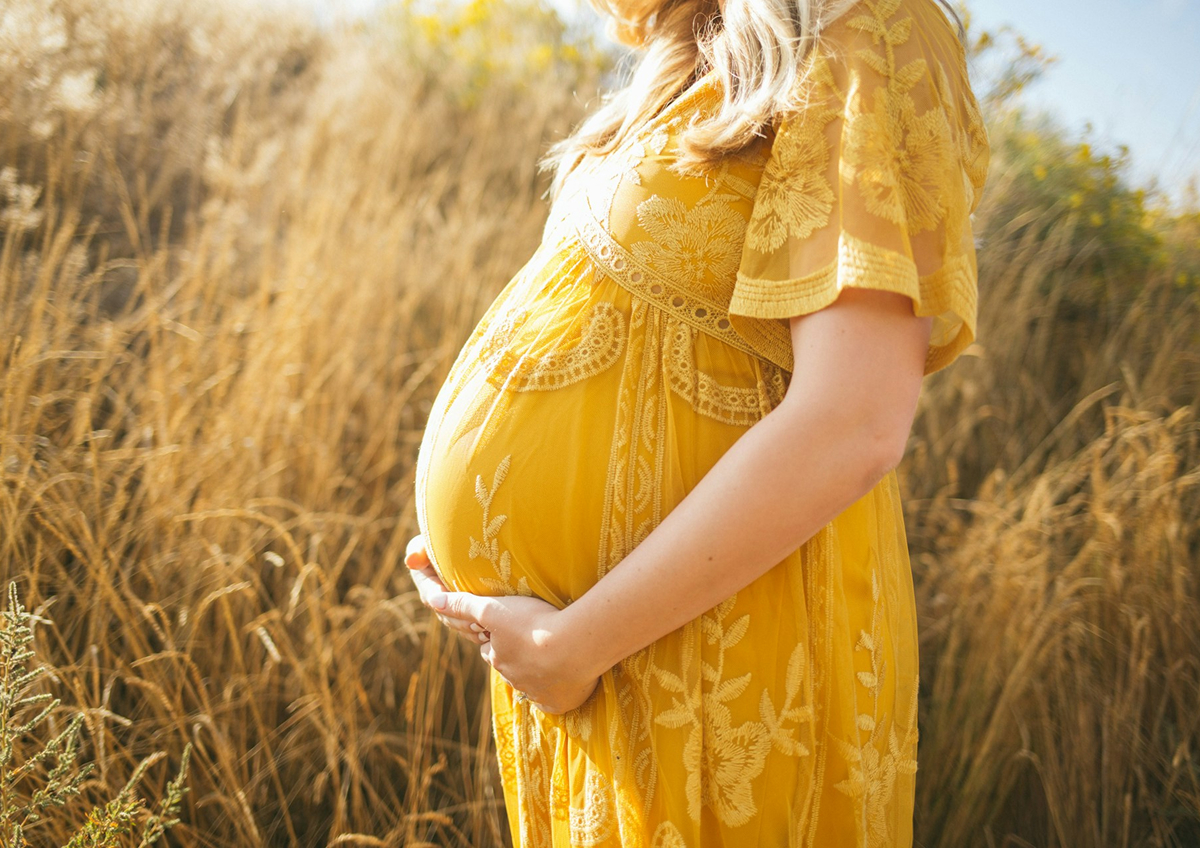
Why Protein, Multivitamins & Minerals Matter
Pregnancy is one of the most crucial stages in a woman’s life. During these nine months, the body undergoes remarkable changes, and the nutritional demands increase significantly. A well-balanced diet enriched with high-quality protein, essential vitamins, and vital minerals supports the health of both the mother and the growing baby.
1. Why Good Nutrition Is Essential During Pregnancy
Pregnant women need more energy and nutrients to support:
– Healthy fetal growth
– Formation of organs, tissues, and the placenta
– Development of bones, brain, muscles, and blood
– Mother’s immunity, strength, and overall well-being
2. Role of Protein in Pregnancy
Protein is the building block of life, and during pregnancy, its requirement increases.
Why Protein Is Important:
– Helps in the formation of baby’s organs, skin, muscles, and tissues
– Supports the production of maternal blood cells
– Essential for placenta development
– Improves mother’s strength and energy levels
Good Sources of Protein:
– Eggs, fish, chicken
– Milk, paneer, curd
– Pulses, legumes, soy
– Nuts and seeds
– Protein supplements (only if advised by a doctor)
Daily Requirement:
A pregnant woman typically needs 70–80 grams of protein per day depending on body weight and activity level.

3. Importance of Multivitamins During Pregnancy
Multivitamins ensure the mother receives all essential micronutrients required for the baby’s healthy development.
Key Vitamins and Their Benefits:
Folic Acid (Vitamin B9)
– Prevents neural tube defects
– Supports cell formation and DNA synthesis
Vitamin D
– Helps in calcium absorption
– Supports bone development of the baby
Vitamin B12
– Essential for RBC formation
– Prevents anemia and supports brain development
Vitamin C
– Boosts immunity
– Improves iron absorption
Vitamin A
– Supports healthy vision and immune function
Also Read: Constipation and Stress: How Your Mind Affects Your Gut
4. Importance of Multiminerals During Pregnancy
Minerals play a vital role in both fetal and maternal health.
Key Minerals and Their Benefits:
Iron
– Prevents anemia
– Helps transport oxygen to the baby
Calcium
– Essential for bone and teeth development
– Prevents calcium depletion from the mother’s bones
Zinc
– Supports immune function
– Crucial for cell growth and development
Magnesium
– Helps reduce muscle cramps
– Supports nerve and muscle function
Iodine
– Important for fetal brain and nervous system development
5. Benefits of Good Nutrition for Mother & Baby
For the Mother:
– Reduced fatigue and better energy levels
– Lower risk of anemia
– Healthy weight gain
– Reduced pregnancy complications
– Stronger immunity
For the Baby:
– Healthy brain, bone, and organ development
– Healthy birth weight
– Lower risk of birth defects
– Strong immunity from early stages
6. When Supplements Are Needed
A balanced diet is important, but many pregnant women still struggle to meet the increased nutritional requirements. In such cases, doctors recommend:
– Protein supplements
– Prenatal multivitamins
– Multimineral tablets
These ensure complete nourishment for both mother and baby. Always consult a gynecologist before starting any supplement.
7. Final Thoughts
Good quality nutrition is the foundation of a healthy pregnancy. Adequate intake of protein, essential vitamins, and vital minerals supports normal fetal development, reduces complications, and ensures the overall well-being of both mother and child.